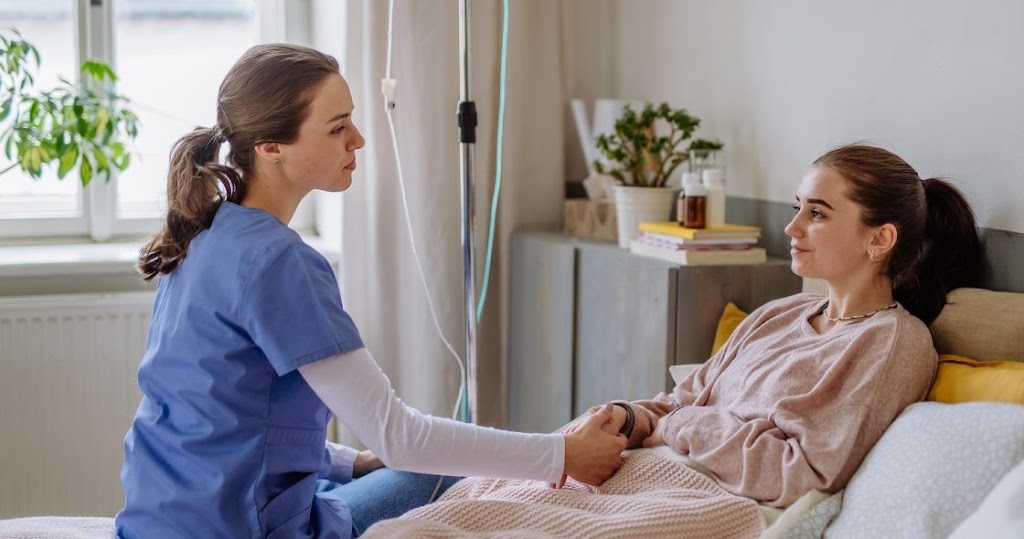
Patient Care Technician USA – High-Quality Care
Patient Care Technicians (PCTs) are pivotal in ensuring high-quality, patient-centred care in contemporary healthcare settings. This essay explores the multifaceted responsibilities of PCTs within the healthcare system, emphasizing their contributions to direct patient care, clinical support and maintaining a conducive healthcare environment.
The discussion encompasses their primary duties, qualifications and the significance of their role in promoting patient well-being and satisfaction.
Primary Duties of a Patient Care Technician
As integral members of the patient-centered care team, Patient Care Technicians undertake various responsibilities to support patients’ physical and emotional well-being under the guidance of registered nurses (RNs) or medical staff. Their primary duties encompass assisting patients with Activities of Daily Living (ADLs), performing clinical procedures, documenting patient information, and ensuring a comfortable and safe environment.
Assisting with Activities of Daily Living (ADLs)
Patient Care Technicians assist patients with ADLs, including personal hygiene, mobility, nutrition and comfort. This involves tasks such as bathing, oral care, dressing and feeding aimed at enhancing patients’ dignity and independence. Additionally, they facilitate patient mobilization, rehabilitation and use of mobility aids, ensuring optimal comfort and functionality.
Clinical Procedures and Care Activities
In addition to ADLs, PCTs perform various clinical procedures essential for patient care and treatment. These include specimen collection, phlebotomy, electrocardiography (EKG) and intravenous (IV) catheter insertion. They meticulously document patient data, vital signs and treatment interventions in health records, ensuring accurate and comprehensive documentation of patient care activities.
Furthermore, PCTs are responsible for measuring and documenting patients’ intake and output, vital signs and other physiological parameters. They conduct routine treatments such as Foley catheter insertion, wound care, suctioning and postmortem care, adhering to established protocols and ensuring patient safety and comfort throughout the process.
Patient Monitoring and Support
Maintaining continuous patient observation is a crucial aspect of a PCT’s role, especially in promptly identifying and addressing potential issues. PCTs conduct regular patient rounds, monitor vital signs, and observe for any changes in a patient’s condition, promptly reporting concerns to the nursing team. They also assist in patient examinations, procedures, and emergency interventions, including cardiopulmonary resuscitation (CPR), ensuring swift and effective response to patient needs.
Education and Support for Patients and Families
Patient Care Technicians actively engage in patient and family education, providing information on care procedures, treatment plans and self-care practices. They respond to inquiries promptly and courteously, fostering a supportive and empathetic environment for patients and their families. Additionally, they participate in staff meetings, educational sessions and quality improvement initiatives, enhancing healthcare delivery and patient outcomes.
Maintaining Cleanliness and Safety
Ensuring a clean and safe healthcare environment prevents infections and promotes patient well-being. PCTs assist in environmental services, including linen management, waste disposal and room cleaning, and maintaining hygienic conditions conducive to healing. They also facilitate patient transportation during discharges, transfers and medical appointments, ensuring seamless transitions and continuity of care.
Qualifications and Training
To qualify as Patient Care Technicians, individuals must meet specific educational and certification requirements. A high school diploma or GED is typically required, along with completion of a Certified Nursing Assistant (CNA) program and active CNA certification. Alternatively, candidates may have experience as an Emergency Medical Technician (EMT) or Paramedic or be nursing students with relevant clinical experience.
Basic Life Support (BLS) certification is mandatory for all PCTs, ensuring their readiness to respond to medical emergencies and provide life-saving interventions when necessary. Additionally, ongoing training and professional development are essential for PCTs to stay updated on best practices, advancements in healthcare technology and patient care standards.
In conclusion, Patient Care Technicians are vital in the healthcare system, delivering compassionate, patient-centred care. Through their diverse responsibilities, including direct patient assistance, clinical support and maintaining a safe environment, PCTs uphold the highest standards of care excellence.
Their dedication, expertise and commitment to patient welfare make them indispensable healthcare team members, ensuring optimal outcomes and patient satisfaction.
Learn more at https://careers.davita.com/benefits
FAQ
What is a Patient Care Technician (PCT), and what do they do?
A Patient Care Technician is a healthcare professional who works closely with registered nurses and medical staff to provide direct care to patients. Their responsibilities include assisting patients with daily activities, performing clinical procedures such as specimen collection and phlebotomy, monitoring vital signs and maintaining patient records.
What qualifications are required to become a Patient Care Technician?
Typically, candidates for PCT positions must have a high school diploma or GED. They may also need to complete a Certified Nursing Assistant (CNA) program and hold an active CNA certification. Alternatively, individuals with experience as Emergency Medical Technicians (EMTs) or Paramedics may qualify as nursing students with relevant clinical experience.
What certifications are necessary for Patient Care Technicians?
Basic Life Support (BLS) certification is mandatory for all Patient Care Technicians to ensure they are equipped to handle medical emergencies and provide life-saving interventions. Additionally, specific certifications may be required depending on the employer or state regulations.
What are the primary duties of a Patient Care Technician?
Patient Care Technicians assist patients with Activities of Daily Living (ADLs), perform clinical procedures such as specimen collection and IV insertion, monitor patient vital signs, document patient information, provide emotional support and maintain a clean and safe healthcare environment.
What settings do Patient Care Technicians work in?
Patient Care Technicians can work in various healthcare settings, including hospitals, long-term care facilities, rehabilitation centres and clinics. They may also provide home-based care services in some instances.
What skills are essential for success as a Patient Care Technician?
Strong communication skills, empathy, attention to detail, physical stamina and the ability to work effectively in a team are essential for Patient Care Technicians. Additionally, proficiency in clinical procedures, knowledge of medical terminology and adherence to safety protocols are crucial.
What is the career outlook for Patient Care Technicians?
The demand for Patient Care Technicians is expected to grow in line with the increasing healthcare needs of an ageing population. Job opportunities exist in various healthcare settings, offering the potential for career advancement and specialization with further education and training.
What is the typical work schedule for Patient Care Technicians?
Patient Care Technicians may work full-time, part-time, or on rotating shifts, including evenings, nights, weekends and holidays, depending on the healthcare facility’s needs. Some positions may require overtime or on-call duties.
How can one advance in the field of Patient Care Technology?
Patient Care Technicians can advance their careers by pursuing further education and training to become Licensed Practical Nurses (LPNs) or Registered Nurses (RNs). Specialization in dialysis technology, phlebotomy, or electrocardiography (EKG) can also enhance career opportunities.
What is the importance of Patient Care Technicians in the healthcare system?
Patient Care Technicians play a crucial role in providing holistic, patient-centred care and supporting the efficient functioning of healthcare teams. Their contributions help improve patient outcomes, enhance patient satisfaction and promote the overall quality of healthcare delivery.